
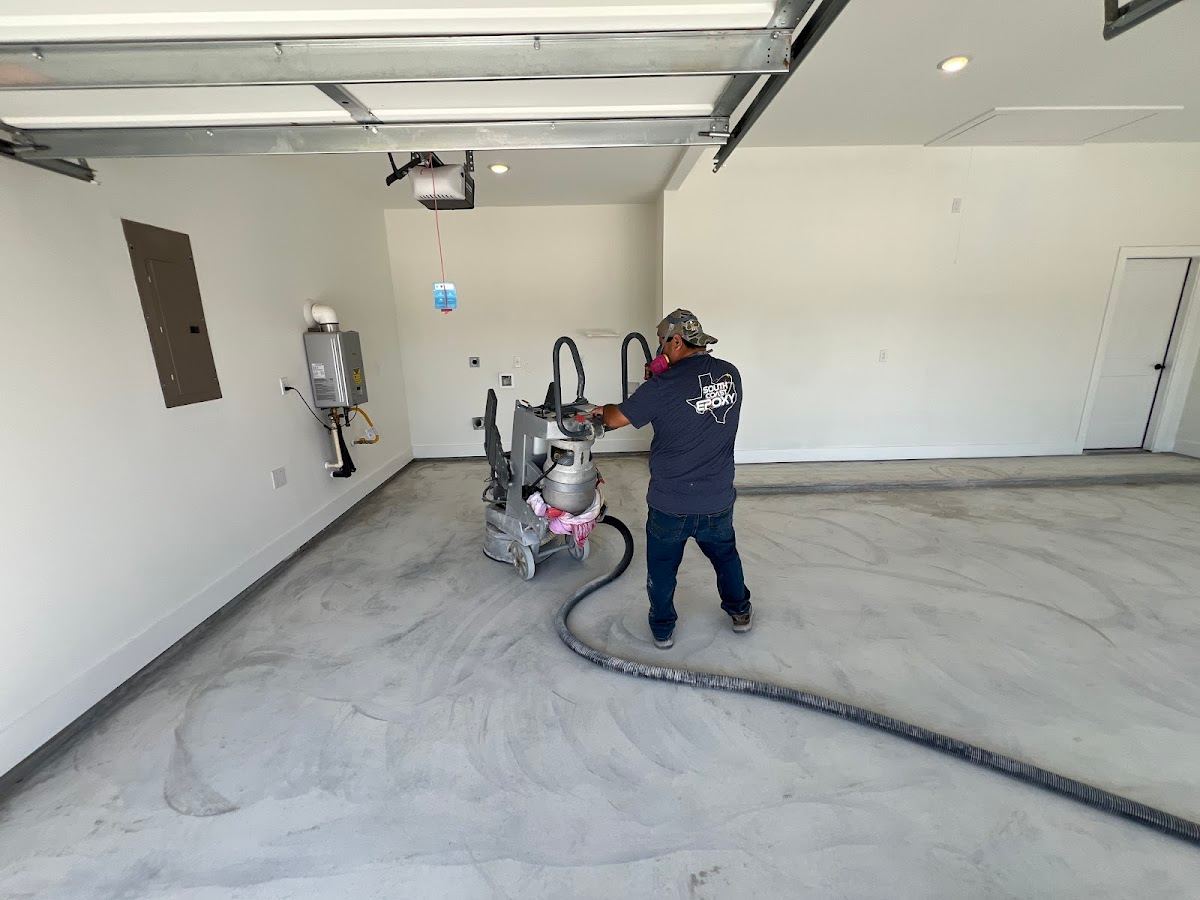
Flooring Service
Floor Repair & Maintenance Services in Texas
Crack and slab repair, recoats and upkeep to extend the life of your floors.
Even great floors need repair and upkeep — especially on Gulf-Coast slabs that shift with our soils and moisture. South Coast Epoxy repairs cracks and spalls, refreshes worn coatings and maintains epoxy and concrete floors across Texas. Andrew often diagnoses what failed on a DIY or older floor and fixes the root cause, not just the surface.
How it works
Repair work spans crack and slab repair (rout-and-fill, structural patching), spall and joint repair, and coating restoration (re-prep and recoat of worn or failing epoxy). For maintenance, we re-seal polished concrete, re-topcoat high-traffic epoxy, and address moisture-related blistering — restoring performance without a full tear-out where possible.
Benefits
- Repairs cracks, spalls and damaged joints
- Restores worn or failing coatings with a recoat
- Diagnoses root causes (prep, moisture) — not just symptoms
- Extends floor life and protects your investment
- Re-seals polished concrete and re-topcoats epoxy
- Residential and commercial maintenance options
Best Used For
- Cracked or spalled garage and patio slabs
- Failing or peeling DIY/older epoxy floors
- High-traffic commercial floors needing a recoat
- Polished concrete due for resealing
- Warehouses with joint or edge damage
- Properties prepping floors for sale or lease
Get a free floor repair & maintenance quote
Even a well-built floor takes a beating on the Gulf Coast — slabs shift, cracks open, coatings chalk and peel, and joints crumble under forklift traffic. The good news: most worn or failing floors don't need a full tear-out. Commercial floor repair in Texas and epoxy floor maintenance in Houston is about diagnosing why a floor failed and fixing the root cause, then restoring the surface so it performs for years again. South Coast Epoxy — owner Andrew and his League City crew — repairs cracks, spalls and joints, restores worn coatings, and keeps epoxy and polished concrete floors looking sharp across the Houston Bay Area.
What Floor Repair & Maintenance Actually Covers
Floor repair and maintenance is a broad service that spans two related jobs: fixing the concrete substrate and restoring the coating or finish on top of it. A floor can fail at either layer — or both at once — and a smart repair plan treats them as a system, not a quick patch.
On the substrate side, that means crack repair, spall and pitting repair, expansion-joint rebuilding (re-nosing), and slab patching. On the surface side, it means re-prepping and recoating worn or peeling epoxy, re-topcoating high-traffic floors, and re-sealing polished concrete that has lost its sheen and stain protection. We also handle moisture-related blistering and the kind of delamination that shows up when a previous installer skipped proper surface preparation.
The reason this matters: a coating is only as good as the concrete and the prep beneath it. Recoat a failing floor without addressing a leaking joint, a moving crack, or a moisture problem, and the new coating fails just like the old one. Andrew's first job on every repair call is to find out what actually went wrong.
The Core Benefits of Repairing Instead of Replacing
The biggest win is cost and downtime. If your substrate is structurally sound, re-prepping and recoating restores the floor at a fraction of the cost and disruption of a full replacement — no demolition, no extended shutdown for a warehouse or restaurant that can't afford to close.
Repair also protects the investment you already made. Sealing a crack before water and salt-laden Gulf air get into the slab stops spalling before it spreads. Re-topcoating a high-traffic epoxy floor before the wear layer breaks through keeps you from grinding back to bare concrete later. Catching a hairline expansion-joint failure early is far cheaper than rebuilding a crumbled joint after a year of forklift impact.
And done right, a proper repair diagnoses the root cause — prep failure, moisture vapor, or slab movement — so you're not paying to fix the same symptom every couple of years.
Texas & Gulf-Coast Considerations That Drive Floor Failure
This is where local know-how earns its keep. Floors fail differently on the Texas Gulf Coast than they do in a dry climate, and the repair plan has to account for it.
- Slab-on-grade movement. Our expansive clay soils swell and shrink with the seasons. That movement opens cracks and stresses expansion joints, especially around League City, Friendswood and Pearland. A rigid filler in a moving crack just cracks again — we match the repair (flexible polyurea/epoxy joint filler vs. rigid structural patch) to whether the crack is static or active.
- Moisture vapor emission. Many older slabs were poured without a vapor barrier, or with a failing one. Moisture vapor pushing up through the slab is the number-one cause of coating blisters and peeling in this region. Before we recoat, we moisture-test and, where needed, use a moisture-tolerant primer or vapor-mitigation system so the new coating actually sticks.
- Heat and humidity. Gulf-Coast summers stretch cure windows and can cause amine blush or bubbling in coatings applied wrong. Fast-cure polyaspartic and polyurea topcoats are often the better restoration choice here because they tolerate humidity and return floors to service quickly.
- Salt air and chemical exposure. Coastal humidity plus de-icing salts, automotive fluids and cleaning chemicals accelerate spalling and surface wear, which is why resealing and topcoat maintenance schedules matter more here than inland.
If you're weighing a recoat against a different finish entirely, our guide on epoxy flooring vs. polished concrete breaks down how each holds up in our climate.
Repair & Restoration Systems We Use
Different problems call for different fixes. Here's how we match the method to the damage:
| Problem | Typical Repair |
|---|---|
| Static hairline / structural crack | Rout-and-fill or epoxy injection to weld the crack |
| Active / moving crack | Flexible polyurea or epoxy joint filler that flexes with the slab |
| Spalled, pitted, flaking surface | Grind out, patch with polymer-modified repair mortar |
| Crumbled expansion joints | Re-nose / rebuild the joint shoulder, then refill |
| Uneven or low spots | Self-leveling underlayment to restore a flat plane |
| Worn or peeling epoxy | Diamond-grind off failing coating, re-prep, recoat |
| Faded polished concrete | Re-polish and re-apply densifier / stain guard |
| Moisture blistering | Moisture test, vapor-mitigation primer, then recoat |
For restoration coatings, the choice usually comes down to the floor's traffic and chemical load — full broadcast flake epoxy floors for a fresh durable surface that hides minor repairs, a clear polyaspartic topcoat for fast turnaround, or re-establishing the sheen and protection on polished concrete.
Who & What This Service Is Best For
Floor repair and maintenance fits almost any property with a coated or polished concrete floor that has seen some life:
- Garages and patios with cracked or spalled slabs, or a peeling DIY epoxy kit that didn't hold — a common call we get. (Here's how to maintain an epoxy garage floor so the next one lasts.)
- Warehouses and distribution centers with joint and edge damage from forklift traffic, or a wear layer that needs re-topcoating before it grinds through. See our take on the best commercial flooring for warehouses in Texas.
- Restaurants and commercial kitchens needing recoats that restore a sanitary, slip-resistant surface without a long closure.
- Medical, pharmacy and sterile-room floors where a maintained, seamless coating is part of keeping the space clean and compliant.
- Aircraft hangars, gyms and retail showrooms that take heavy traffic and need periodic topcoats to stay presentable.
- Properties prepping floors for sale or lease, where a recoat is the fastest way to make a space show well.
The Repair & Maintenance Process, Step by Step
Our process mirrors what's on this page, with the diagnostic work front-loaded — because that's what separates a lasting repair from a repeat call:
- Diagnose. Inspect the damage and identify the underlying cause — prep failure, moisture, or slab movement. We moisture-test when blistering or peeling is involved.
- Repair the substrate. Fill and weld cracks, patch spalls, rebuild and re-nose damaged joints, and level low spots.
- Prep the affected areas. Diamond-grind and clean to the right concrete surface profile (CSP) so the new coating or sealer bonds mechanically — not just chemically. Solid concrete grinding and prep is the step most failed floors skipped.
- Recoat or reseal. Restore the epoxy, polyaspartic or sealer with a system matched to your traffic and climate.
- Blend and topcoat. Match the finish to surrounding areas and lay down a protective topcoat for a uniform, durable surface.
- Maintenance plan. Set a realistic schedule for resealing and topcoats so the floor never gets back to "failing."
Honest Cost Factors (No Surprise Pricing)
We won't quote a per-square-foot number sight unseen, because the real drivers vary too much. What actually moves the price on a repair or maintenance job:
- Square footage and how much of the floor needs work versus spot repairs.
- Slab and prep condition — light cleaning and recoat is one thing; extensive grinding, spall patching and moisture mitigation is another.
- Type and extent of repairs — a few hairline cracks versus rebuilt expansion joints and self-leveling.
- The restoration system — a clear topcoat refresh costs less than a full re-broadcast flake or quartz system.
- Access and downtime requirements — after-hours or phased work to keep a business open adds labor.
Andrew gives an honest recommendation based on what the floor actually needs — not the priciest option. Sometimes that's a full restoration; sometimes it's a targeted repair and a topcoat. You'll know the why behind every line.
Repair vs. Full Replacement: How to Decide
If the substrate is sound and the coating failure is on the surface, recoating almost always wins on cost, downtime and result. A re-prep-and-recoat can make a tired floor look new for a fraction of replacement.
Full replacement only makes sense when the slab itself is failing structurally, when moisture problems can't be mitigated from above, or when the existing coating is so far gone that grinding it off costs as much as starting fresh. Even then, the prep-and-coat work overlaps heavily with our commercial epoxy flooring and industrial epoxy flooring systems — so the conversation is the same crew either way.
Maintenance & Longevity
A coated or polished floor is a long-term asset when it's maintained. The basics: keep grit swept up (it acts like sandpaper underfoot and under tires), clean spills before they sit, and stick to pH-neutral cleaners. Beyond that, the two maintenance moves that extend floor life most are re-topcoating high-traffic epoxy before the wear layer breaks through, and re-sealing polished concrete periodically to restore stain resistance and sheen.
How often depends entirely on traffic. A quiet residential garage may go many years between topcoats; a busy warehouse aisle or restaurant line may want attention on a regular cycle. We'll set a schedule that fits your floor — and yes, we maintain and restore floors we didn't install, including older epoxy and DIY jobs that need rescuing.
Why Choose South Coast Epoxy
South Coast Epoxy is locally owned and based in League City, with deep, hands-on experience on Gulf-Coast slabs — the heat, the humidity, the moisture vapor and the soil movement that make floors fail here. We lead with proper diagnosis, diamond grinding, crack repair and moisture testing, then give you an honest recommendation, clear communication, fair pricing, clean prep and a final walkthrough. With 57 reviews at a 4.9 rating, our crews show up, do the prep right, and stand behind the work.
We serve League City, Houston, Clear Lake, Friendswood, Pearland and Galveston, along with the rest of the Bay Area.
Ready to restore your floor? Whether it's a cracked garage slab, a peeling DIY epoxy job, or a commercial floor due for a recoat, we'll diagnose the root cause and tell you straight what it needs. Email info@southcoastepoxy.com or request a free quote and Andrew's crew will take a look.
Recent Floor Repair & Maintenance Projects
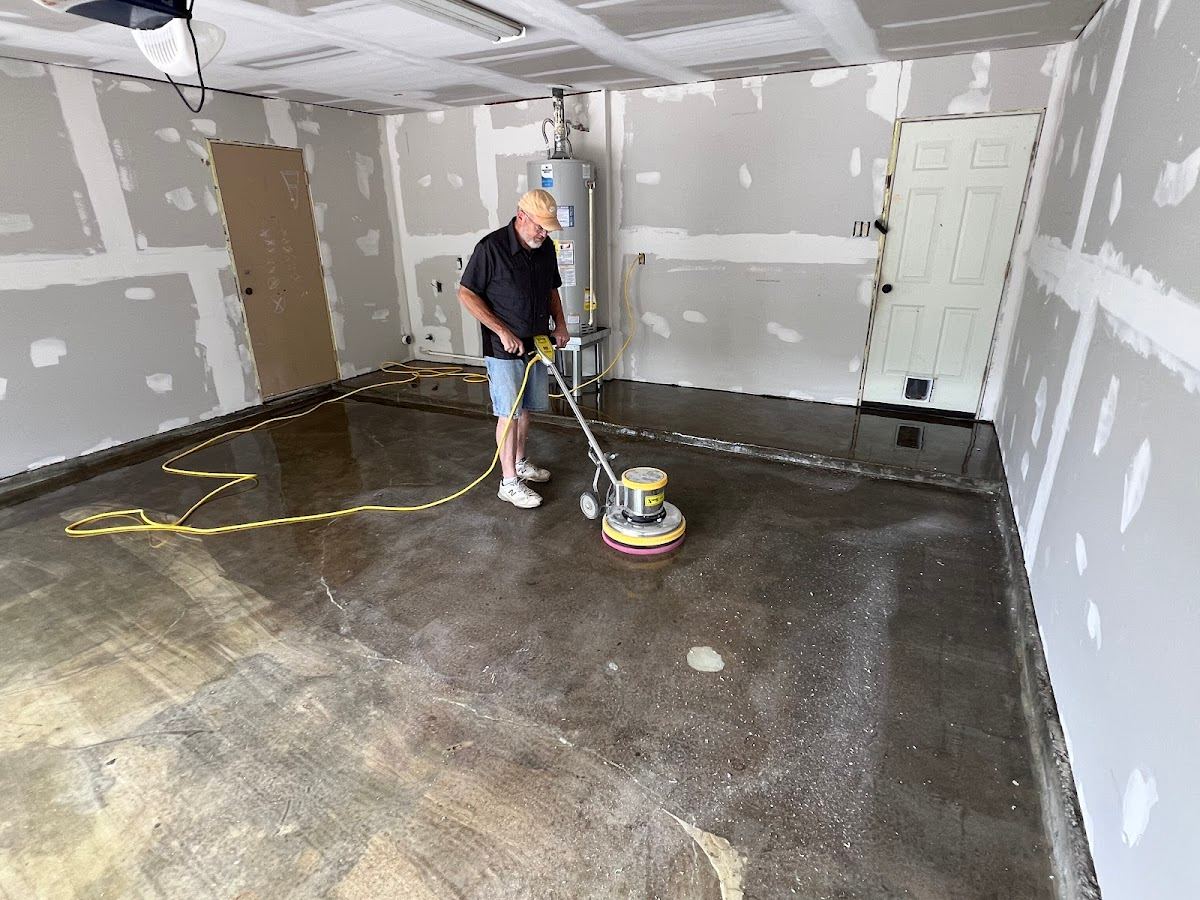
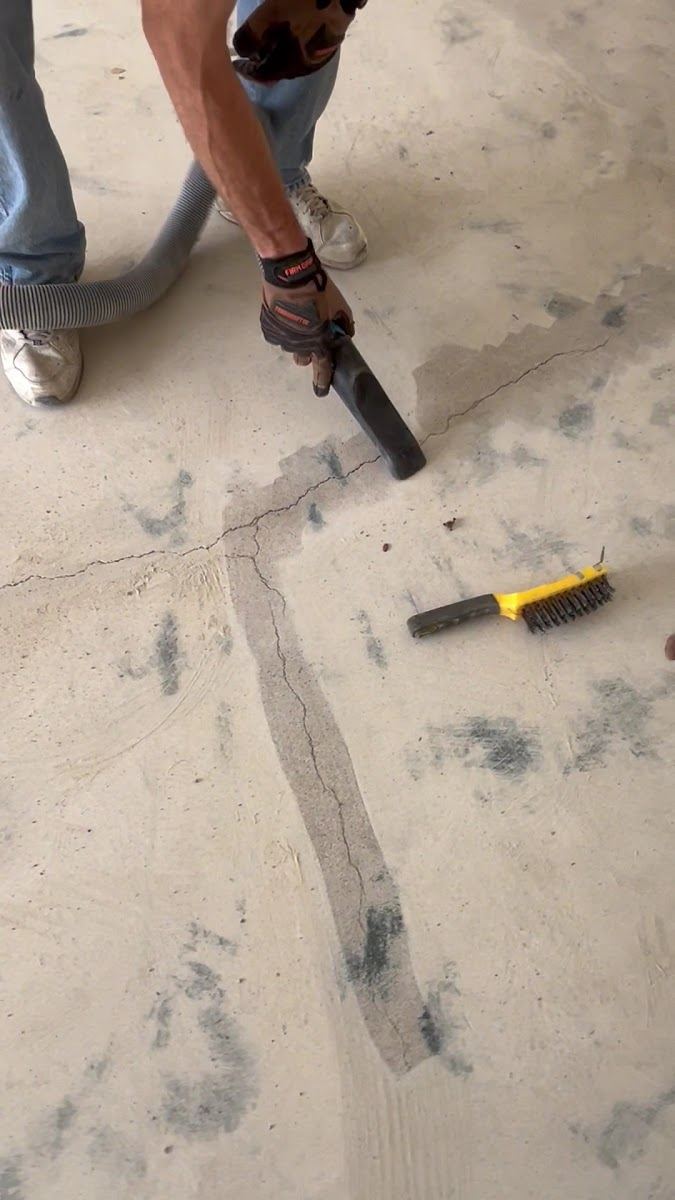
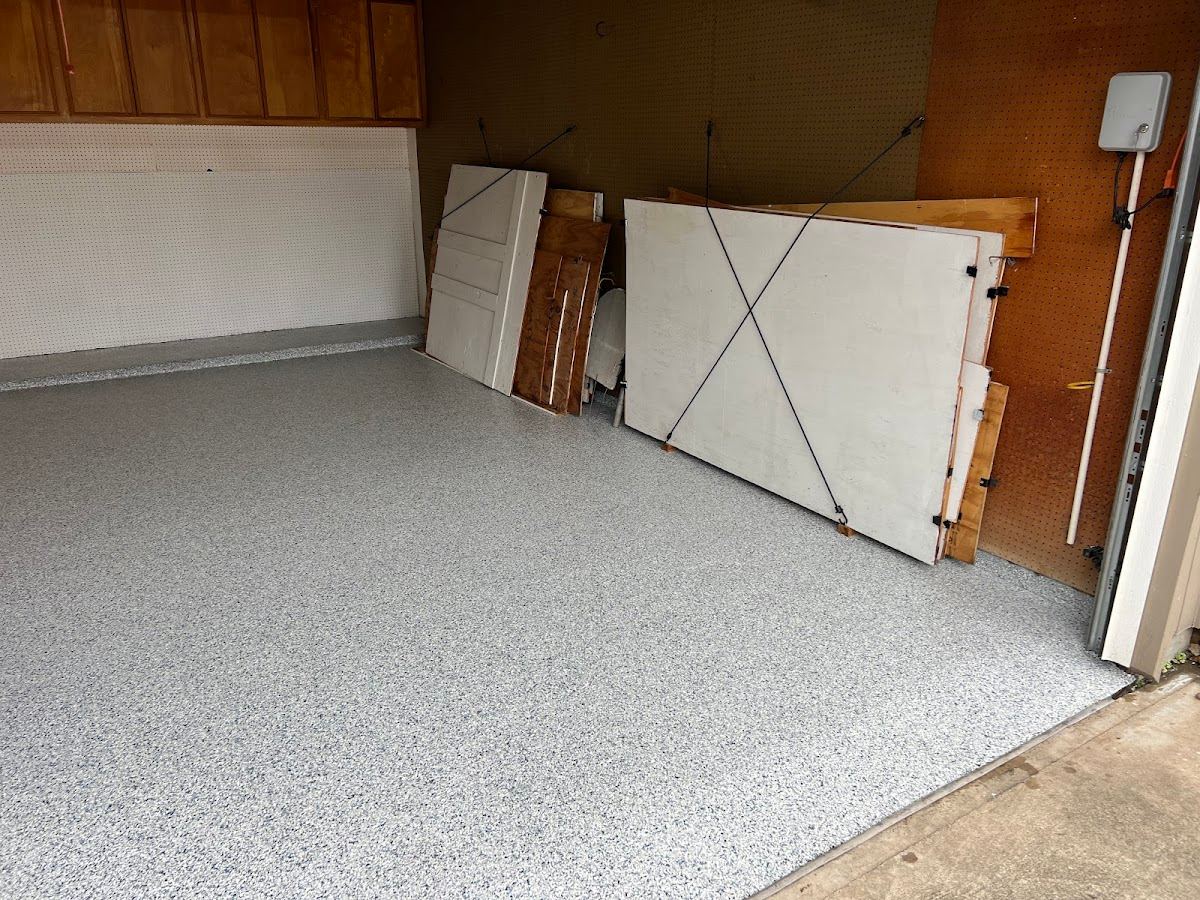
Our Process
Diagnose
Inspect damage and identify the underlying cause.
Repair substrate
Fill cracks, patch spalls, fix joints.
Prep affected areas
Grind and clean for a sound bond.
Recoat / reseal
Restore the coating or sealer.
Blend & topcoat
Match finish and apply a protective coat.
Maintenance plan
Schedule for ongoing upkeep.
Related Services
Areas We Serve
Floor Repair & Maintenance FAQs
Can you fix a peeling DIY epoxy floor?
Often yes — we diagnose why it failed (usually prep or moisture), remove the failing coating, re-prep and recoat properly.
Do you repair cracked concrete?
Yes — we handle crack, spall and joint repair as part of restoring or coating a floor.
Can a worn floor be recoated instead of replaced?
Frequently — if the substrate is sound, re-prepping and recoating restores it without a full tear-out.
How often should an epoxy floor be maintained?
It depends on traffic; high-traffic floors benefit from periodic topcoats, and polished concrete needs occasional resealing.
Do you maintain floors you didn't install?
Yes — we service and restore existing epoxy and concrete floors across the region.
Ready to Upgrade Your Floors?
Whether you need a garage epoxy floor, polished concrete, a commercial coating system, a restaurant floor, a warehouse floor, or a custom countertop finish, South Coast Epoxy will help you choose the right surface system for your space.
Prefer email? Reach us at info@southcoastepoxy.com